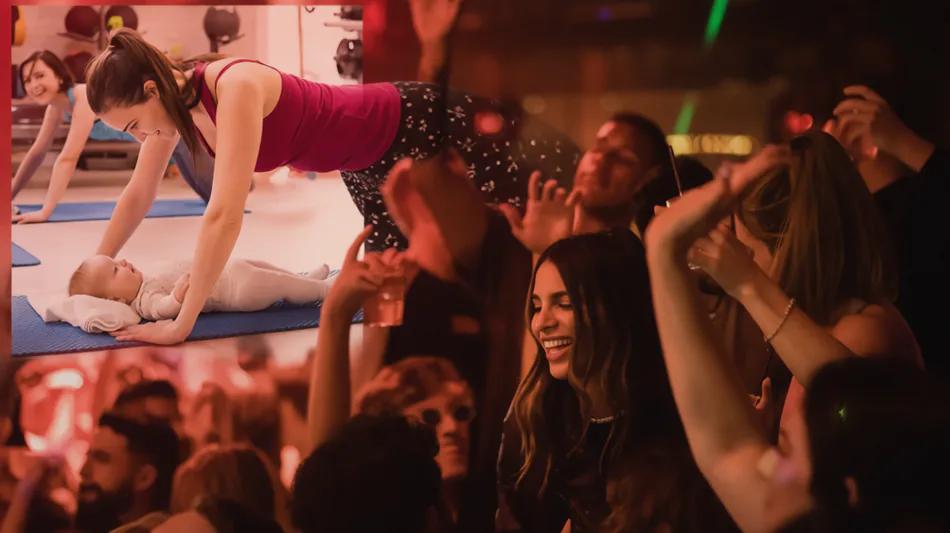
Los Angeles Mom-and-Baby Fitness Classes Blend Wellness with Youth Culture

A surge of trendy mom-and-baby fitness classes in Los Angeles reflects a cultural shift among millennial and Gen Z mothers who seek to integrate parenthood with their pre-child identities. These events, often featuring Coachella-themed aesthetics and high-end studio culture, prioritize community and self-expression alongside physical activity.
A new genre of fitness class has emerged in Los Angeles, catering to mothers who wish to maintain their pre-child identities while navigating parenthood. These trendy mom-and-baby workouts, which range from hip-hop dance sessions to stroller barre, have become a significant cultural indicator for millennial and Gen Z Angelenos embracing motherhood without abandoning their former social capital.
The phenomenon is characterized by high-end studio aesthetics that mirror the city’s existing wellness culture. Participants often arrive in luxury vehicles such as BMWs, Teses, and Audis to nondescript warehouse studios. Inside, the environment is typically dimly lit with neon accents, playing ambient electronica or pop-techno music. Attendees wear monochrome workout gear designed for social media visibility, creating a scene that blends traditional fitness with performance.
One recent example of this trend was a Coachella-themed class held in Atwater Village. The event featured fresh flower crowns for participants and their infants, referred to by the instructor as "babychella." Vegan protein smoothies were provided post-workout, reinforcing the alignment with luxury wellness standards. Despite the comedic or hyperbolic nature of these elements, the core activity involves genuine physical exertion. Mothers perform lunges, squats, and dance choreography while carrying their children in carriers such as Doonas or UppaBaby strollers.
The primary appeal of these classes extends beyond cardiovascular health. They serve as a mechanism for mothers to connect with their "younger, child-free selves" while simultaneously bonding with their infants. The experience allows participants to engage in movement and inclusion within a community of peers who share similar socioeconomic backgrounds and life stages. For many, the classes offer a rare space where motherhood and personal identity are not mutually exclusive.
Rebecca Leib, a writer, producer, and podcaster based in Los Angeles, attended one such session and described a shift from skepticism to engagement. Initially viewing the trend as potentially ridiculous, she found the experience powerful after 45 minutes of movement. She noted that the class allowed her to tap into her past self, her current reality, and an "unlikely community" of LA-brand women and their babies.
The classes often feature instructors who are also mothers, sometimes incorporating their own children into the routine. This dynamic reinforces the idea that these workouts are not about achieving peak athletic performance but about maintaining a sense of coolness, confidence, and connection. The atmosphere is designed to be Instagram-worthy, with participants frequently documenting their attendance on social media platforms.
While cultural and socioeconomic differences exist among attendees, motherhood creates a common ground. The shared experience of managing diaper bags, soothing squirming infants, and performing exercises in a neon-lit studio fosters a unique form of equality. The classes acknowledge the reality that many modern mothers do not wish to retreat from public life or social circles upon having children.
The trend highlights a broader shift in how parenthood is perceived in Los Angeles. Rather than viewing motherhood as a departure from youth and vitality, these fitness classes frame it as an extension of it. The integration of high-fashion aesthetics, popular music, and luxury wellness products into postpartum life reflects a desire to preserve social status and personal identity.
Critics might view these classes as another example of Los Angeles’s excesses, but proponents argue they provide essential emotional and physical support. For mothers who have never fully felt part of traditional fitness spaces, these inclusive environments offer a refreshing alternative. The ability to move, sway, and connect with music while caring for an infant creates a complex relational geometry that validates both roles.
As the craze continues to grow, it signals a demand for wellness solutions that do not require mothers to choose between their identity as parents and their identity as individuals. The popularity of these classes suggests that for many Angelenos, having a baby has become a new form of fitness flex, one that combines physical activity with cultural relevance.
H.Graddy--IP