Mideast war leaves 6,000 tonnes of tea stuck at Kenya port / Photo: Patrick Meinhardt - AFP/File

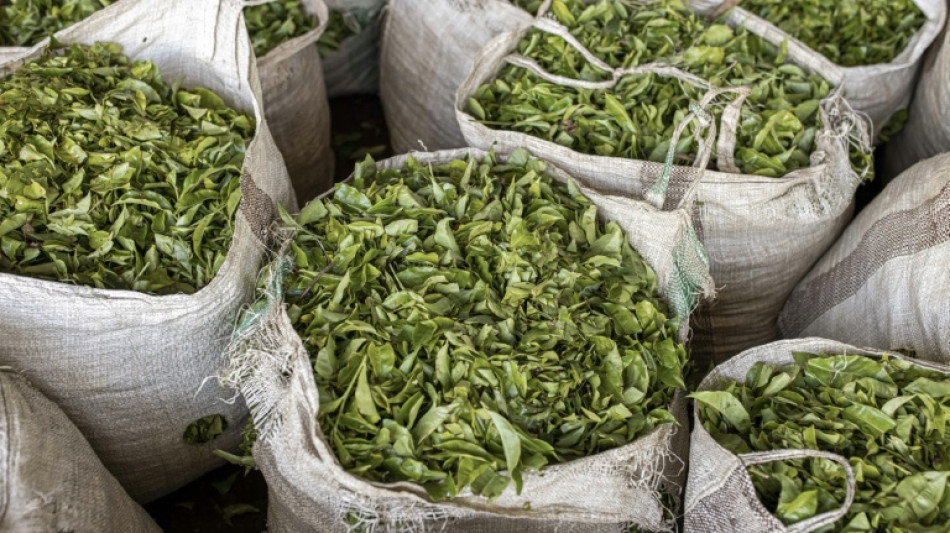
Between 6,000 and 8,000 tonnes of tea, worth around $24 million, is stuck at Kenya's port of Mombasa because of the war in the Middle East, trade officials said Friday.
The East African Tea Trade Association (EATTA) manages auctions at the port city, which serves as a global marketplace where hundreds of thousands of tonnes of tea from the region are sold every year.
Around 65 percent of the east African tea market has been affected by the war that began on February 28 when the United States and Israel launched strikes on Iran, EATTA director George Omuga said.
As a result, "six to eight million kilos" are stuck in Mombasa, he told AFP.
"So that's an average of $24 million worth of tea at the port," he added.
The tea has been sold to customers but cannot be shipped, mainly to the Middle East, which accounts for about 20 percent of the market, he estimates.
Shipments to Pakistan, which makes up 40 percent of the market, have also been disrupted by a surge in transport costs because of changes in shipping routes and higher insurance premiums.
Tea sales, meanwhile, have fallen by nearly 20 percent in recent weeks because of the war, resulting in lost revenue of $8 million per week.
Kenyan meat and horticulture are also feeling the impact of the conflict, suffering losses amounting to millions of dollars every week.
During the first three weeks of March, only five percent of the 150 to 200 tonnes of daily meat exports were delivered, most of which were destined for the Middle East, according to Nicholas Ngahu, CEO of the Kenya Meat and Livestock Exporters Industry Council (KEMLEIC).
The Middle East also accounts for between 10 and 15 percent of Kenya's flower exports, and serves as a major transit point, particularly for shipments to Europe.
The disruption is troublesome for Kenya, which is also dependent on fuel imports.
Pump prices remained unchanged in March, but traders are worried about the consequences of a possible surge.
Vivo Energy Kenya, which operates Shell service stations in the east African country, on Thursday reported "temporary stock-outs at some service stations", attributed to a rise in demand.
The firm said it is "working continuously to replenish affected sites as quickly as possible", without providing further details.
Thousands of independent service stations are facing supply shortfalls as "panic buying is driving demand", John Njogu, CEO of the Petroleum Outlets Association of Kenya, told AFP.
But unlike neighbouring Ethiopia, long queues have not yet formed at Kenyan petrol stations.
E.Smith--IP