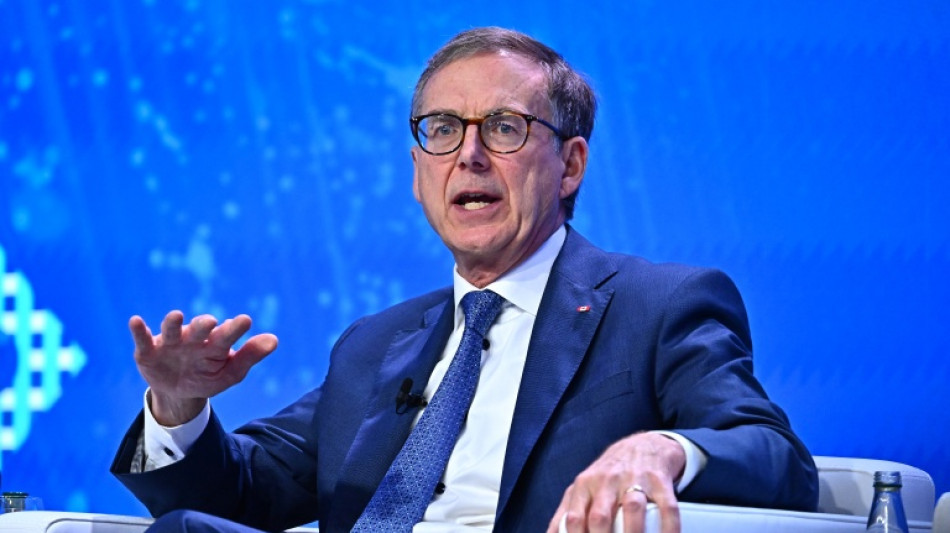
Canada hikes rates to contain oil price surge caused by Iran war / Photo: Lillian SUWANRUMPHA - AFP

Canada's central bank raised its key interest rate to 2.5 percent Wednesday, as it tries to prevent an oil price surge caused by the Iran war from sparking broader inflation.
The quarter-point hike was the Bank of Canada's first interest rate increase since July 2023, when it was trying to get control of widespread inflation caused by the Covid-19 pandemic.
The bank has in recent months highlighted two competing pressures facing Canada's economy, both directly tied to US President Donald Trump.
Growth is being hampered by Trump's trade war, which has impacted business confidence and forced job losses in key sectors.
Meanwhile the conflict Trump started with Iran has sent energy prices soaring.
The bank said Wednesday that Canadian businesses are "adapting" to the changing trade relationship with the United States, suggesting growth could be stronger than initially expected.
There is, however, no indication that energy-price inflation is set to ease, it added.
"The conflict in the Middle East is now in its eighth month and there is no clear path to resolution," a Bank of Canada press release said.
Central bank governor Tiff Macklem noted "Canadians are paying more at the pump."
"We can't change that, but what we don't want is those higher energy prices to pass through and raise the prices of other goods," he told reporters.
- US trade -
The Bank of Canada has stressed that the future direction of US trade, an essential driver of the Canadian economy, is difficult to predict.
Trump has threatened to inflict massive economic pain on Canada, but he also said this week that a trade deal was coming "soon" during a midterm election campaign stop in Michigan, a border state impacted by the trade war.
Prime Minister Mark Carney said this week that Canada remained open to a deal but stressed he had no confidence the Trump administration would stick to the terms of any agreement.
Asked if just one interest rate hike could be sufficient to contain energy-price inflation, Bank of Canada deputy governor Carolyn Rogers highlighted the broad uncertainty facing the Canadian economy.
"There's lots of things that could happen. We could get a resolution in the Middle East. We don't think that looks to be imminent, but things can change. We could get a resolution to our trade tensions with the US," she told reporters.
"That's why we need to be careful."
TD Bank said in a note that Wednesday's hike likely "buys the Bank a few months to assess whether higher energy and input costs are actually filtering through to consumer prices."
B.Peppard--IP