Iraqi Kurdish shepherds stoic in face of yet another war / Photo: Ozan KOSE - AFP

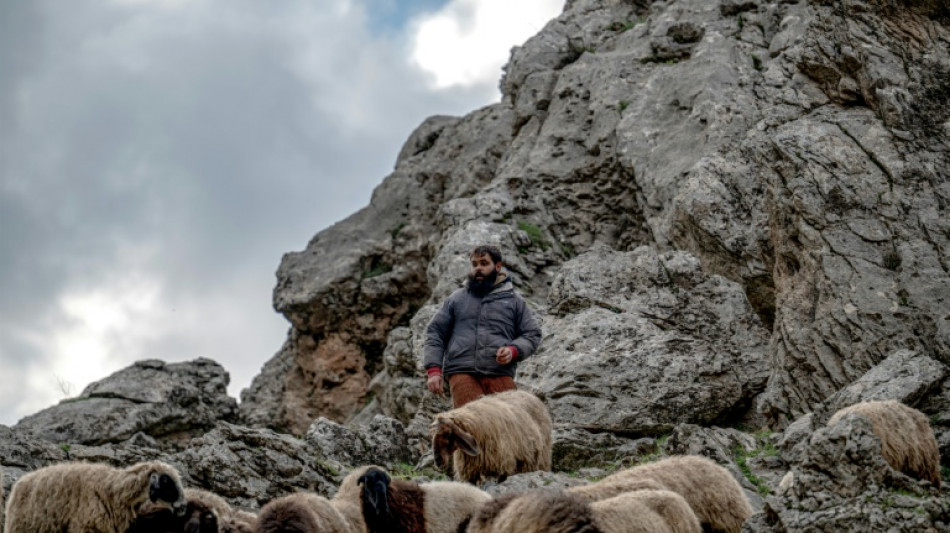
Through one conflict after another, herders in Iraqi Kurdistan have grazed their animals under the endless blue skies of the Zagros Mountains -- a lifestyle they are stoically trying to maintain as yet another war engulfs the region.
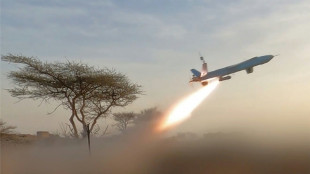
Since the beginning of the US and Israeli campaign against Iran, the Zagros range, which separates the northern autonomous region from the Islamic republic some 50 kilometres (31 miles) away, has been regularly targeted by Iranian drone and missile strikes.
These attacks have mostly hit positions held by Iranian Kurdish fighters, who Tehran fears might one day try to cross into Iran.
But to those who make their living from their herds in the region's craggy hills and valleys, the ongoing conflagration that has left almost no corner of the Middle East untouched is just another in a long string of wars.
"Me, scared?!," roared Saman Abdulsaman, laughing at the very thought as his goats grazed in the sunshine.
Perched on a rock by the bank of a river swollen by melting snow, Abdulsaman hails from a long line of butchers. Born in 1979, he has seen decades of conflict, as well as his home's destruction in 1996 by a rocket.
"Since I was born, I've known war," he said.
Not everyone is quite so sanguine, however, with the recent strikes requiring some to make adjustments.
Ajar Mustafa's goats now amble near a small village after the threat of drone attacks forced the shepherd and his flock to retreat from the hills he has climbed for decades.
"We can no longer come and go in the mountains," he said, the sky clear of threats -- for now.
"I saw a drone an hour ago," he added, noting he sees three or four a day and hears the rumble of fighter jets passing far overhead.
He no longer roams the distant hills, instead keeping his 150 goats and sheep outside his village at the foot of the Zagros, near Rawanduz city.
"I'm afraid of losing some of my animals, that they'll be hit or panic and run away," he admitted, adding his 50 cows were producing less milk because of the noise.
- Five wars and counting -
At 50, Mustafa has lived through four previous conflicts: the 1980s Iran-Iraq War, the first Gulf War in 1990-91 and Baghdad's repression of the Kurdish uprising, the 2003 US invasion of Iraq, and the emergence of the Islamic State group in 2014.
And that's not to mention the countless battles between rival Kurdish movements.
"We've always been at war. Every time, we Kurds have been caught in the middle, even when we had nothing to do with it," he said.
The Iraqi Kurdistan-based NGO Community Peacemakers Teams (CPT) has recorded more than 300 strikes since the beginning of the Middle East war, attributing them to Iran and its proxies. Regional authorities no longer release any figures.
Shwan Nabi, 34, witnessed a drone strike on Mount Korek, directly in front of him.
"It's worrying, we're outside all day. But we have no choice: we have to graze the animals," he said.
A shepherd like his father before him, Nabi joined Kurdish fighters against IS and fought in the 2015 battle of Sinjar after the jihadists murdered and kidnapped thousands of the Yazidi minority.
Recalling that fight, he noted that at least the current conflict has not seen any ground battles so far.
"This war is less dangerous," he said, "for the moment."
H.Graddy--IP